Every Speed Camera in Los Angeles, Mapped

Los AngelesUpdated Oct 31, 20266 min read

LADOT has published 125 camera sites across all 15 council districts. Warnings started October 26. Here is where they are, what speed sets them off, and what a ticket costs.

125camera sites, 8–9 in each of 15 council districts
+11mph over the posted limit before a camera records you
$50minimum fine. Civil penalty, no licence points
60day warning period, beginning Oct 26, 2026
The short version

Los Angeles is one of six California cities running speed safety cameras under AB 645, a pilot that runs through January 1, 2032. The city’s 125 sites are spread almost evenly: every council district got eight or nine.

The cameras are not on freeways. They sit on the surface arterials where LADOT’s data shows speed-related crashes, high traffic volumes and nearby schools — Victory, Sherman Way, Vanowen and Nordhoff in the Valley; Figueroa, Florence, Gage and Slauson in South LA; Olympic and Sunset through the middle of the city.

For the first 60 days, drivers caught over the threshold get a warning in the mail. After that, the same reading becomes a citation.

Thresholds

Most cameras sit on 35 mph streets — and won’t flag you below 46

A camera only records a violation at 11 mph or more over the posted limit. Here is how the 125 sites break down by posted speed, with the reading that triggers a citation on each.

Fines

What a ticket costs once warnings end

Speed over the limitFine
11–15 mph$50
16–25 mph$100
26 mph or more$200
100 mph or faster$500

Citations are civil penalties, mailed to the registered owner from a photo of the rear plate. They are not moving violations, add no points, and are not reported to insurers as such. AB 645 requires income-based reductions and payment plans. See the full Los Angeles fine schedule.

All 125 locations by district

Full directory →

Warnings end around Christmas. Citations follow.

We’ll email you once when Los Angeles starts issuing real tickets. No account, no location tracking, no other mail.

Questions

Is Los Angeles issuing tickets yet?

No. The 60-day warning period began October 26, 2026. Until it ends, violations produce a warning notice only.

Are the cameras on freeways?

No. Every site is on a city surface street. LADOT publishes each one as an enforcement zone — a stretch between two cross streets — rather than a single point.

How were the sites chosen?

LADOT weighed speed-related collisions, the share of drivers over the limit, daily volume, school proximity and equity investment areas. Each camera page shows the numbers for that site.

Does a camera ticket affect insurance?

It adds no points to your driving record and is not reported as a moving violation.

Sources
  1. Approved camera locations — LADOT (ArcGIS)
  2. Speed Safety System Program — LADOT
  3. AB 645 (2023) — California Legislature
  4. All 125 speed camera locations in Los Angeles — SpeedCamAlert

Independent resource, not affiliated with any city or government agency. If anything here disagrees with LADOT, LADOT is right.

How's the Market? It's Slowing Down.

Quick market update. Rates are still above 7%. Freddie Mac has the 30 year at 7.24% this week, barely down from 7.32% last week. This time last year it was 6.17%. For every $1M you borrow, that's about $710 more a month for the same house.

And don't count on relief right away. The Fed held rates steady, but a December hike is looking likely. They're widely expected to raise rates at their Dec. 9 meeting if the upcoming data comes in as expected, according to Real Estate News and Redfin.

I'm seeing more and more of my buyers sit out this rate hike, and sellers are holding off because they don't think it's a good time to sell. Confidence is low across the board, and houses can take longer to sell. But it's a divided market. I just sold a house with 10 offers in a bidding war. So it really is house by house. A good house is still hard to find, and when it's in a good neighborhood with good design, layout and pricing, it still sells fast.

The numbers right now

7.24%
30 year fixed, up from 6.17% a year ago
$994,670
LA County median in September, about 1% higher than last year
−10.9%
LA County sales, year over year

Prices are basically flat

Sales volume is down over 10%, but prices are basically flat for the year. LA County's median house sold for $994,670 in September, about 1% higher than last year (Hoodline). The City of LA is right around $1.03M, almost exactly where it was a year ago. Nothing is crashing. Fewer homes are selling, and sellers are more willing to talk.

Los Angeles home

If you're buying

You've got leverage. Here's how I'd use it:

  1. Ask for a seller credit. Use it to buy down your rate, cover your closing costs, or take it as a price reduction. A rate buydown often saves more each month than the same money off the price.
  2. Shop your loan. Talking to a few lenders can save you a lot.
  3. Keep your inspections. What they turn up can be negotiated into credits that help cover your closing costs. I'm negotiating buyer credits on just about every home right now. It's case by case and depends on what we find.
Buyer tip
Don't skip the ugly listings. I just got a buyer $100K off a house with terrible photos that started out overpriced. In person, the potential blew us away. Go see them.

If you're selling

Price it right on day one. The homes that start high sit, then end up chasing the market down. I recently had a seller go against my pricing advice, and we sat on the market for months. Now more than ever, you need to price and market it right.

Seller tip

Test the market with a Compass Private Exclusive. Off market sales and testing prices are huge right now.

Buyer demand tool: I can run your address and tell you how many buyers are looking for a home like yours right now. These analytics are incredibly powerful. Gone are the days of launching a house and wondering what will happen. Check your home's buyer demand.

My take

How I'd think about it

If the payment works at today's rate, go shopping. Good houses are still selling fast with multiple offers. But the real opportunities are the ones that got marketed badly: bad photos, overpriced, sitting on the market. That's where the deals are.

When rates do come down, the competition comes right back and prices go up with it. Lock in a good house at a good price now, and think about refinancing later.

I promise I don't bite

I know, I know. I'm a real estate agent. But I'm genuinely happy to just talk the market with you. No pitch, no pressure, no expectations.

Let's Just Talk

Talk soon,
Jeremiah


Keep reading

Want updates like this in your inbox? Sign up for the newsletter.

What Happens When the Appraisal Doesn’t Match Your Price

How appraisals really work in Los Angeles, what happens when the number comes in short, and how to protect yourself in a bidding war.

Van Noord Ave home in Los Angeles

You found the house, won the offer, and opened escrow. Then comes a step most buyers barely think about until it goes sideways: the appraisal.

Here's the thing. If you're using a loan, your lender won't lend against what you agreed to pay. They lend against what an independent appraiser says the house is worth. Most of the time those two numbers line up. When they don't, you want to already know your options.

What the numbers say right now
5%
of contracts were delayed by appraisal issues, according to NAR's latest survey
18%
of buyers waived their appraisal contingency entirely
16%
of homes sold above list price, which is exactly where appraisal gaps show up

How the appraisal actually works

Your lender orders the appraisal shortly after you open escrow. You pay for it, but you don't get to pick the appraiser or set up the visit. In California it usually runs somewhere around $500 to $1,000, more for big or unusual homes.

The appraiser walks the house, measures it, photographs it, and then compares it to recent sales nearby. In LA that last part is where things get interesting. Two homes on the same block can be wildly different: one has a permitted ADU, the other has a garage conversion nobody pulled permits on. A good appraiser knows the difference. A rushed one might not.

Perlita Avenue home in Los Angeles

The three ways it can land

Right at your price: This is the most common result. Nothing changes and your loan keeps moving.

Above your price: Congrats, you just bought equity on day one. You're not obligated to share the report with the seller, and I wouldn't volunteer it.

Below your price: Now there's a gap between what you agreed to pay and what the bank will finance. Somebody has to cover it, or the deal changes.

If it comes in low

A low appraisal doesn't automatically kill a deal. Redfin lays out the usual paths well: the seller drops the price, you bring extra cash, you meet somewhere in the middle, or you challenge the appraisal with better comps. Lenders have a formal process for that last one called a reconsideration of value, and it works best when your agent has the right sales ready to go.

And if none of that works, the appraisal contingency in a standard California contract lets you walk away with your deposit, as long as you're still inside that window. That's the part buyers give up when they waive it to win a bidding war.

One more wrinkle worth knowing: HousingWire reports that with fewer sales happening, appraisers are working from thinner and older comps. That cuts both ways. Sometimes it helps you, sometimes it leaves a nice house undervalued.

What a low appraisal looks like in real money

Say you're buying at $1,000,000 with 20% down. The appraisal comes back at $950,000, and your lender will now only lend 80% of that.

Original plan: $200,000 down, $800,000 loan$200,000 cash
New loan: 80% of $950,000$760,000
Cash needed to keep the full price$240,000

That's $40,000 more than you planned, and you'd still be paying $50,000 over appraised value. That's why it pays to know your number before you write the offer.

My take

The appraisal is one of the only moments in a deal where someone with zero stake in it tells you whether the price holds up. The good news is it shouldn't catch you off guard. I run comps while we're putting the offer together, so I can usually give you a heads up if I think the appraisal might come in tight. Here's how I'd prepare:

Know your gap number before you offer. Decide how much cash you could actually bring if the appraisal comes in short. Writing that down ahead of time keeps a bidding war from making the decision for you.

Waive the appraisal the smart way. In a competitive bidding war, there are ways to write an offer with no appraisal contingency and still keep yourself protected. The key is working with a lender who can get the appraisal back within your inspection period. That way, if the value comes in low, you still have a window to renegotiate or walk. It's a risky tactic, so don't try it unless you're confident in both your lender and your agent.

Help the appraiser see the whole house. On the sell side, I hand the appraiser a list of upgrades, permits, and the best recent sales. With my construction background, I know which improvements actually add value and which are just pretty finishes.

Frequently asked questions

Who pays for the appraisal?

The buyer does when there's a loan involved. The lender orders it and picks the appraiser, and the fee usually lands somewhere around $500 to $1,000 in California.

What happens if the appraisal comes in low?

You and the seller renegotiate. The seller can lower the price, you can bring more cash, you can split the difference, or you can challenge the value with better comps. If you still have an appraisal contingency, you can also cancel and keep your deposit.

Should I waive the appraisal contingency?

Only if you can cover a gap or you've set things up so the appraisal comes back inside your inspection period. Waiving it blindly can leave you paying well over value with no way out.

Can I challenge a low appraisal?

Yes. Your lender can submit a reconsideration of value with comparable sales the appraiser missed. It works best with strong, recent, nearby sales.

Let's Run the Numbers Together

Thinking about writing an offer soon? I'll pull the comps, show you where an appraisal is likely to land, and help you figure out how much room you really have. No pressure, just a straight answer.

Schedule a Consultation

Recent from the blog

You Found the Perfect House. Now What?

The inspections I push for every time, and the expensive surprises they help you avoid.

Read more

Does Getting Preapproved With Multiple Lenders Hurt Your Credit?

Why shopping two or three lenders can save you real money, and how to do it without denting your score.

Read more

What Is a TIC? A Los Angeles Buyer's Guide

Why TICs often list below nearby condos, and how ownership, financing, and resale really work.

Read more

Trusted by Clients

With over 200 five star reviews, our past clients rave about our exceptional customer service and commitment to transparent transactions.

Read Our Reviews
Jeremiah Vancans

Jeremiah Vancans
Real Estate Agent, Vancans Group | Compass
jeremiah@vancansgroup.com
CELL: 310.363.1416
OFFICE: 310.299.9305
DRE: 01944484

You Found the perfect house. Now what?

The few inspections that protect you from the most expensive surprises.

Pasadena home sold by Vancans Group

I've walked through a lot of homes in Southern California, and here's something I've learned: some of the prettiest houses I've seen were hiding the biggest bills.

Fresh paint. New floors. A kitchen straight off Instagram. It all looks perfect. Then you look a little closer.

And plenty of buyers never do. A recent survey reported by HousingWire found that 17% of first time buyers skipped the inspection completely. That's how a dream home turns into a money pit.

What happens after closing
66%
of first time owners ran into unexpected problems after they moved in
$5,356
was the average cost of those surprises
$10K+
is what a failing sewer line can cost, and one family ended up facing $30,000 in repairs weeks after moving in

🔍 The inspections I push for every time

A general home inspection is the starting point. These are the ones I add on for my buyers:

Roof: A roof can look fine from the curb and be at the end of its life. Our SoCal sun is brutal on shingles. A replacement can easily hit five figures.

Sewer line: The one buyers skip most and regret most. Lots of older LA homes still have original clay pipes, and our mature street trees love to send roots right into them. A camera scope runs a few hundred dollars. A collapsed line can run tens of thousands.

Termite: Termite damage hides well. I've seen gorgeous finishes covering real structural issues. In Southern California this one isn't optional.

HVAC: Heating and cooling are expensive to replace and you'll feel it every August. A quick check tells you if you're inheriting a system on its last legs.

Foundation: This is where the largest repair bills tend to hide. Not every crack is a disaster, but in earthquake country you want to know exactly what you're dealing with, including whether an older home has been bolted, before it's yours.

Los Feliz home sold by Vancans Group

💰 Spend a little now, save a lot later

I get it. By the time you're in escrow, it feels like money is flying out the door. Adding another $1,000 to $2,000 for inspections can feel like one more thing.

But I've watched inspection reports uncover $50,000+ problems, and some that let us walk away from a home that was dangerous to live in or would have been nearly impossible to sell down the road. I've seen this many times, and I've helped my clients avoid exactly these situations. That small check up front is what gives you options.

The biggest numbers usually come from the foundation inspection. Some findings get overblown, like a hairline crack that's just normal settling. Others are serious, a real risk to the structure of your home, especially if an earthquake comes along. A good foundation inspector tells you which one you're looking at, so you can negotiate on facts instead of fear.

Your leverage has an expiration date

Inspection results let you renegotiate the price, ask for repairs or credits, or walk away. But that power only exists during your contingency window. Once you remove it, every problem the house has becomes your problem. Don't give that leverage away.

The Vancans family

🌅 My take

I worked construction before real estate. My dad was a builder, and I grew up building homes right alongside him. So when I walk into a house with a buyer, I'm not looking at the staging. I'm looking at the rooflines, the cracks, the drainage, and the patch jobs that most people walk right past. I know what to look for, and I know which problems are cosmetic and which ones are expensive.

The right inspections turn a guess into an informed decision. This is one of the biggest purchases of your life. You shouldn't be gambling on it.

A big part of my job is helping buyers slow down, ask the right questions, and understand what they're actually buying, not just what they see on the tour.

Every house is different. A 1920s Craftsman under big oaks needs a different game plan than a 2015 condo. If you're thinking about buying, I'm always happy to walk you through which inspections make sense for the home you're looking at.

Want my go to inspectors?

Over the years I've built a list of roof, sewer, termite, HVAC, and foundation pros I trust. Email me and I'll send it over.

Get My Inspector Vendor List
Buy With Your Eyes Open

Let's talk through the homes on your list and build an inspection plan that fits each one. No pressure, just a straight answer.

Schedule a Consultation

Recent From the Blog

What Is a TIC? A Los Angeles Buyer's Guide
Why TICs are often priced below nearby condos, and how ownership, financing, and resale really work.
Read More
Hillside Value, Views and Resale in Mount Washington
Lot orientation, view protection, and the specialist inspections every hillside buyer should budget for.
Read More
How to Win a Character Home in Northeast LA
Proven strategies for standing out when over 40% of NELA listings draw multiple offers.
Read More
Trusted by Clients

With over 200 five star reviews, our past clients rave about our exceptional customer service and commitment to transparent transactions.

Read Our Reviews
Jeremiah Vancans
Real Estate Agent, Vancans Group | Compass
jeremiah@vancansgroup.com
CELL: 310.363.1416 | OFFICE: 310.299.9305
DRE: 01944484

Does Getting Preapproved With Multiple Lenders Hurt Your Credit?

The one preapproval mistake smart buyers still make, and how to avoid it before you write an offer.

Los Feliz home sold by Vancans Group

Here's a myth I hear all the time from buyers: "If I talk to more than one lender, I'll wreck my credit score." So they call one bank, take whatever number they're quoted, and move on.

That habit is expensive. Research from Freddie Mac found buyers could save roughly $600 to $1,200 a year just by applying with more than one lender.

Shopping lenders isn't a mistake. Skipping it is. Let's break it down.

What the research shows

• 2 quotes could save buyers up to about $600 a year on their payment

• 4 or more quotes pushed potential savings past $1,200 a year

• 30% of buyers who skip shopping say they're worried it will hurt their credit

Why one preapproval usually isn't enough

Lenders don't all price loans the same way. Two lenders can look at the exact same buyer on the exact same day and come back with different rates, different fees, and very different timelines.

That's why I usually suggest my clients talk to two or three lenders. Not to chase the lowest number on a rate sheet, but to find out who can actually get the deal closed without drama.

Pasadena home sold by Vancans Group

What you're really comparing

Rate and structure: Same loan amount, same down payment, same day. Otherwise you're comparing apples to oranges.

Fees and points: A lower rate can hide a pile of upfront costs. Line up the official Loan Estimates side by side.

Closing timeline: In LA, sellers often weigh speed and certainty as heavily as price. A lender who can close fast makes your offer stronger.

Communication: Does the lender pick up the phone? Listing agents call lenders before accepting an offer. A slow or vague answer can cost you the house.

The credit score myth, cleared up

The credit scoring models actually expect you to shop. According to FICO, multiple mortgage inquiries made within a short shopping window get bundled together and counted as one inquiry, not five.

Here's the part most articles skip. Newer FICO versions give you a 45 day window. But many mortgage lenders still pull older FICO versions, and some of those only allow 14 days.

So my advice is simple: do all your lender shopping within two weeks. You're covered no matter which model gets pulled, and even a single inquiry typically moves your score only a few points.

Jeremiah and Renee Vancans

What a quarter point is worth in LA

On an $800K loan, the gap between 6.50% and 6.25% is about $130 a month. That's roughly $1,500 a year and more than $47,000 over a 30 year loan. Bigger LA loan sizes mean shopping matters even more here than the national averages suggest.

My take

Preapproval is the foundation of your whole purchase. Get it right and everything after it gets easier, from writing offers to negotiating to closing day. Here's how I'd approach it:

Pick two or three lenders. Mix it up: a local lender, a broker, and maybe your own bank.

Keep it tight. Get every quote within the same two weeks so it all counts as one inquiry.

Ask about underwriting upfront. A preapproval where an underwriter has already reviewed your file carries far more weight with LA sellers than a quick online letter.

Let them compete. Once you have offers in hand, it's completely normal to ask one lender to match another.

Frequently asked questions

Does getting preapproved with multiple lenders hurt your credit?

Not if you do it within a short window. FICO counts multiple mortgage inquiries in its shopping window as a single inquiry, and that one inquiry usually moves your score only a few points.

How long is the mortgage rate shopping window?

Newer FICO versions allow 45 days, but older versions that many mortgage lenders still use allow only 14 days. Finishing within two weeks keeps you safe either way.

How many lenders should I talk to?

Two or three is the sweet spot for most buyers. It's enough to compare rates, fees, and timelines without turning it into a part time job.

Is the lowest rate always the best choice?

No. Compare fees and points on each Loan Estimate, and weigh how quickly and reliably the lender can close. In a competitive LA offer, a dependable lender can matter as much as a slightly lower rate.

Find Your Lender Fit

Thinking about buying? I'll connect you with lenders I trust who close on time and actually answer the phone. No pressure, just good options.

Get My Lender Shortlist

Recent From the Blog

What Is a TIC? A Los Angeles Buyer's Guide

TICs often list well below nearby condos. Here's how the ownership, financing, and resale really work.

Read More

Hillside Value, Views and Resale

What Mount Washington buyers should know about lot orientation, protecting a view, and hillside inspections.

Read More

How to Win a Character Home in Northeast LA

Bidding strategy, removing contingencies safely, and locking up a home before the bidding war starts.

Read More

Trusted by Clients

With over 200 five star reviews, our past clients rave about our exceptional customer service and commitment to transparent transactions.

Read Our Reviews

What Is a TIC? A Los Angeles Buyer’s Guide to Tenancy in Common

If you've been searching for a home in Los Angeles, you've probably seen listings marked "TIC" priced well below the condos down the street. That gap is real, and so are the differences in how you own, finance, and eventually sell a TIC. Here's what every buyer should understand before touring one.

Key takeaways

  • A TIC is shared ownership of one property, with each owner holding a percentage of the whole.
  • A written TIC agreement gives you the exclusive right to live in a specific unit.
  • TICs are often priced below comparable condos, but financing and resale work differently.

What is a TIC?

TIC stands for Tenancy in Common. It's a way for two or more people to own a single property together. Each owner holds an undivided interest in the entire property, which means you own a percentage of the whole building rather than a specific set of walls.

Shares don't have to be equal. In a four-unit building, one owner might hold 28% while another holds 22%, usually based on the size and value of each unit. Together, the shares always add up to 100%.

How TIC ownership works day to day

If everyone technically owns a slice of everything, how do you know which unit is yours? That's the job of the TIC agreement. This private contract between the owners assigns each person exclusive use of a specific unit and sets the rules for the building, including:

  • How property taxes, insurance, and repairs are divided
  • How the group makes decisions and handles disagreements
  • What happens if an owner stops paying their share
  • How an owner can sell, and whether co-owners get the first chance to buy

In Los Angeles, TICs are most common in duplexes, triplexes, and small apartment buildings that were never converted into legal condominiums.

On paper you own a share of the building. In practice, the TIC agreement is what makes your unit your home.

TIC vs. condo vs. joint tenancy

TICs are easiest to understand side by side with the ownership types buyers already know.

TICCondoJoint tenancy
What you ownA % share of the whole buildingYour unit, plus shared common areasEqual shares of one property
Your own unitYes, by TIC agreementYes, by recorded condo map and deedUsually one shared home
Shares can differYesn/aNo, always equal
If an owner diesShare passes to their heirsUnit passes to their heirsShare goes to surviving owners
FinancingFractional or group loan, fewer lendersStandard mortgageStandard mortgage
Rules set byTIC agreementHOA and CC&RsThe owners themselves

One difference surprises buyers most: a TIC has no right of survivorship. If a co-owner passes away, their share goes to their heirs or estate, not to the other owners.

How to finance a TIC

Financing is the biggest practical difference between a TIC and a condo. There are two main structures.

Fractional loan. Each owner has their own mortgage secured only by their share. If a neighbor defaults, your loan isn't affected. This is the preferred setup for most buyers, but only a limited number of lenders offer it, and rates and down payment requirements can be higher than a standard mortgage.

Group loan. One mortgage covers the whole building, and every owner pays toward it. It's simpler to arrange, but a missed payment by one owner puts the entire group at risk.

Find out which structure a building uses before you write an offer. It shapes your down payment, your monthly payment, and how easy the unit will be to sell later.

Pros and cons of buying a TIC

Advantages

  • Often priced below comparable condos in the same area
  • A path into neighborhoods where condos are scarce
  • Character buildings with small ownership groups
  • Some agreements plan for a future condo conversion

Things to watch

  • Fewer lenders and potentially higher rates
  • A smaller buyer pool when it's time to sell
  • You depend on co-owners paying their share
  • Rent control and tenant rules may affect the building

Questions to ask before you buy a TIC

  • Is there a recorded TIC agreement?
    Read it in full and have a real estate attorney review it.
  • Fractional loan or group loan?
    Ask which lenders have financed units in this building before.
  • How are costs and repairs shared?
    Look for a reserve fund and a clear process for big items like roofs.
  • What happens if an owner stops paying?
    Strong agreements include default and buy-out provisions.
  • Are there limits on selling or renting?
    Some agreements give co-owners a right of first refusal.
  • Is condo conversion possible?
    Conversion can add value but depends on city approvals and owner consent.

Frequently asked questions

What does TIC mean in real estate?

TIC stands for Tenancy in Common, a form of co-ownership where each owner holds an undivided percentage of an entire property. A TIC agreement gives each owner exclusive use of a specific unit.

Is a TIC cheaper than a condo?

TICs are often priced below comparable condos because financing is more limited and the ownership structure is less familiar to buyers. The exact difference depends on the building, the neighborhood, and the loan structure.

Can I get a regular mortgage for a TIC?

Usually not. Most TICs are financed with a fractional loan from a lender that specializes in TICs, or with a group loan that covers the whole building.

What happens to a TIC share when an owner dies?

A TIC has no right of survivorship, so the share passes to the owner's heirs or estate rather than to the other co-owners.

Can a TIC be converted to a condo?

Sometimes. Conversion depends on local rules, building requirements, and agreement among the owners. Ask whether the TIC agreement addresses conversion.

Thinking about a TIC?

Let's look at it together

I'll walk you through the TIC agreement, connect you with lenders who finance TICs, and compare the price against nearby condos so you know what you're really getting.

Jeremiah · Vancans Group at Compass · DRE #01944484

This article is general information and not legal, tax, or lending advice. TIC agreements vary widely. Consult a real estate attorney and a qualified lender before purchasing.

What Buyers Should Know About Hillside Value, Views and Resale

Mount Washington Homes for Sale: What Buyers Should Know About Hillside Value, Views, and Resale

Mount Washington homes offer unique hillside value, breathtaking views, and promising resale potential, making them a compelling choice for buyers ready to invest in this scenic Los Angeles neighborhood.

Nestled in the heart of Los Angeles, Mount Washington offers a unique blend of natural beauty and urban convenience. As a prospective homebuyer, you're likely drawn to the area's stunning hillside homes, but how do you ensure you're making a sound investment? Understanding the intricacies of hillside value, the allure of views, and the resale potential is crucial for making an informed decision. Let's dive into why Mount Washington is capturing buyers' attention and how you can make the most of your investment.

Hillside + Views The two biggest value drivers in Mount Washington real estate

Understanding Hillside Value in Mount Washington

Mount Washington's allure largely stems from its hillside location, offering a distinctive real estate opportunity. The value of these properties is influenced by several key factors, making it essential to understand what you're investing in.

1. Unique Topography and Architecture

The hillsides of Mount Washington provide a canvas for unique architectural designs. Homes here often feature multi-level layouts that maximize space and take advantage of the terrain. When purchasing, consider how the architecture aligns with your lifestyle needs. For instance, a home with large windows and open decks may offer stunning vistas, enhancing both your living experience and the property's value.

2. Privacy and Exclusivity

The geography of Mount Washington naturally lends itself to privacy. Homes are often spaced apart, offering a sense of exclusivity that's hard to find in the bustling city. This privacy is a significant selling point, appealing to buyers looking for a serene retreat without sacrificing proximity to urban amenities.

3. Investment Potential

Hillside properties tend to appreciate well over time due to their scarcity and desirability. However, it's important to assess the structural integrity and maintenance requirements of hillside homes, as these can impact long-term value. Consulting with a real estate agent familiar with the area can provide insights into which properties offer the best investment potential.

"Homes with superior views tend to sell faster and at higher prices."

The Allure of Mount Washington Views

One of the most compelling reasons buyers flock to Mount Washington is the breathtaking views. But how do these views impact your buying decision and future resale?

1. Panoramic Views

The elevation of Mount Washington offers panoramic views of downtown Los Angeles, the San Gabriel Mountains, and even the Pacific Ocean on clear days. These views not only enhance daily living but also significantly boost property value. When evaluating homes, consider how the orientation and window placements capture these vistas.

2. Natural Beauty and Tranquility

Beyond cityscapes, the lush greenery and natural landscapes provide a tranquil setting. Properties that blend indoor and outdoor spaces, such as with patios or large balconies, allow you to fully enjoy this natural beauty. This feature is particularly attractive for buyers seeking a peaceful lifestyle.

3. Impact on Resale

Homes with superior views tend to sell faster and at higher prices. When purchasing, think about how the views will appeal to future buyers. Properties that offer unobstructed vistas are particularly valuable, as they are less likely to be impacted by future development.

4. Lot Orientation and Sun Exposure

Not all hillside lots are created equal, and orientation is one of the biggest hidden factors in value. A south-facing lot gets significantly more direct sunlight throughout the day, which means brighter interiors, warmer outdoor living spaces, and often a drier, more usable yard. It also tends to be a bigger draw for buyers who want natural light and easy-care landscaping.

Canyon-facing or north-facing lots tell a different story. These properties often sit lower in the terrain or are shaded by the surrounding hillside for a good part of the day, which can mean cooler indoor temperatures in summer but also more moisture, moss, and shade-loving plants that need extra upkeep. Some buyers love that cooler, more secluded canyon feel, but it's worth being upfront about the tradeoff.

What the view actually faces matters just as much as how much sun a lot gets. A property looking out over downtown LA and the skyline tends to command a premium for its dramatic nighttime lights, while a home framing the San Gabriel Mountains offers a more natural, ever-changing backdrop. Ocean-glimpse lots, even partial ones, are rarer in this pocket of the city and often carry their own premium. When you're comparing two homes with similar square footage, the direction the lot faces and what the windows actually look out onto can be the real difference in both livability and long-term value.

5. Can the View Be Blocked Later?

A great view today doesn't guarantee a great view in ten years, and this is one of the most overlooked questions buyers should ask before making an offer. Vacant or downhill lots nearby can eventually be built on or built up, a remodel or second story next door can rise into your sightline, and mature trees on a neighboring property can grow tall enough to block a view that was wide open at the time of purchase.

Before you fall in love with a view, it's worth looking into a few things: whether any vacant or underbuilt lots sit between you and the view, what the zoning and height limits allow for surrounding parcels, and whether the property has a recorded view easement or is part of an HOA with view-protection covenants (rare in this area, but worth checking). A listing agent or title report can help confirm whether there's any protection in place, and if there isn't, that's not necessarily a dealbreaker, but it's something to factor into what you're willing to pay for the view itself.

Resale Potential: Making a Smart Investment

Considering resale potential is crucial when purchasing a home in Mount Washington. Here's how you can maximize your investment:

1. Market Trends and Growth

Mount Washington has seen consistent growth due to its desirability and limited housing inventory. Staying informed about market trends can help you gauge when to buy or sell. Consulting with local real estate experts can provide you with data-driven insights into the best times to enter or exit the market.

2. Home Improvements and Renovations

Strategic renovations can significantly boost your home's resale value. Focus on enhancements that preserve or enhance the character of the home, such as updating kitchens or adding energy-efficient features. These improvements not only increase value but also make the property more appealing to a wider range of buyers.

3. Community and Lifestyle Appeal

The strong sense of community and vibrant cultural scene in Mount Washington are significant draws. Highlighting these aspects when selling can enhance the appeal of your home. Proximity to amenities like schools, parks, and public transportation also adds to the property's attractiveness.

Navigating the Buying Process

Purchasing a home in Mount Washington requires careful planning and consideration. Here's how to navigate the process effectively:

1. Partner with a Local Expert

A real estate agent with experience in Mount Washington can provide invaluable guidance. They'll help you understand local market nuances, identify properties with the best potential, and negotiate effectively on your behalf.

2. Evaluate Financial Considerations

Understanding your budget and financing options is critical. Ensure you have a clear picture of all costs involved, including property taxes, maintenance, and potential HOA fees. This foresight will help you make a financially sound decision.

3. Inspect and Assess

Due to the unique geography, thorough inspections are essential. Ensure the property is structurally sound and assess any potential risks such as erosion or drainage issues. An experienced inspector can identify these concerns, ensuring you're making a safe investment.

Budget for inspection costs to run higher than a flat-lot property. Hillside homes typically call for a few specialists beyond the standard general inspection:

Geological inspection: A geologist or soils engineer evaluates what the home is actually built on: the soil composition, slope stability, and any history of landslides or settling in the area. This report also looks at how the property is likely to perform in an earthquake, which matters more on a hillside lot than it does on flat ground.

Drainage specialist: Managing water is one of the biggest ongoing costs of owning a hillside home. A drainage specialist checks that water is being properly directed away from the foundation, retaining walls are functioning correctly, and there's no erosion undermining the slope. Poor drainage is one of the most common (and expensive) issues to fix after the fact, so it's worth identifying before you close.

These specialist reports add to your upfront inspection costs, but they're some of the most important money you'll spend. Catching a drainage or foundation issue before closing is far cheaper than discovering it after you own the home.

Ready to Explore Mount Washington Listings?

Browse active homes for sale in Mount Washington and get notified the moment new listings hit the market.

View Mount Washington Listings

FAQ

What makes Mount Washington homes unique compared to other Los Angeles neighborhoods?
Mount Washington homes are unique due to their hillside locations, offering stunning views, privacy, and a tranquil environment while remaining close to urban amenities.
How do hillside properties impact maintenance costs?
Hillside properties can incur higher maintenance costs due to their terrain. Regular inspections and preventive maintenance are crucial to mitigate potential issues like erosion or structural instability.
Is now a good time to buy in Mount Washington?
Current market trends indicate that Mount Washington remains a desirable area with strong investment potential. Consulting with a local real estate expert can provide insights into optimal buying times.

Mount Washington offers a compelling blend of value, views, and investment potential that's hard to resist. By understanding the unique aspects of hillside homes and working with knowledgeable professionals, you can make a confident and informed purchase. Embrace the opportunity to own a piece of this beautiful neighborhood and enjoy all the benefits it has to offer.

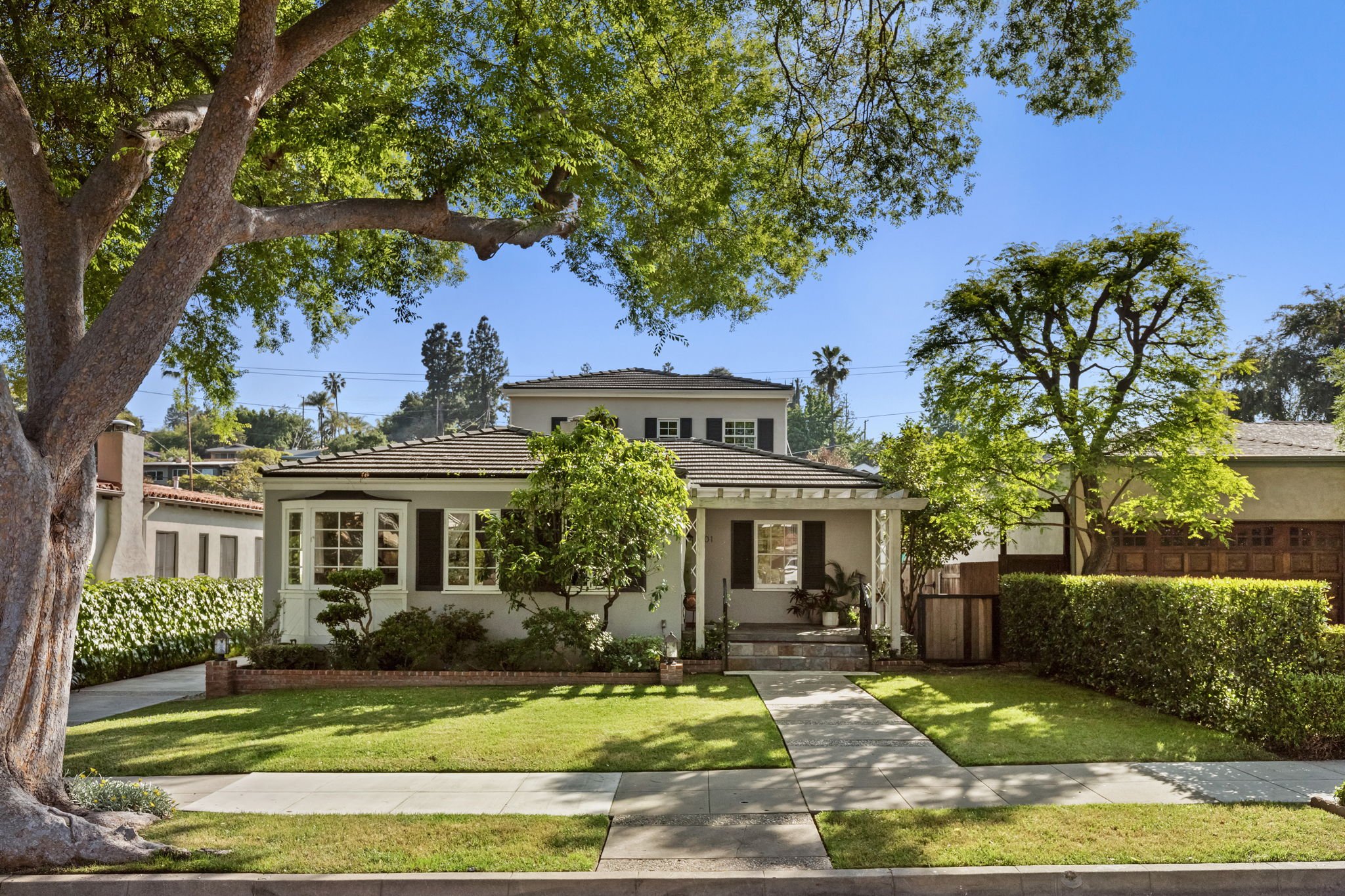
How to Win a Character Home in Northeast Los Angeles: Proven Strategies for Buyers

Winning a Character Home in Northeast Los Angeles: Strategies for Success

Northeast Los Angeles Real Estate

Winning a Character Home in Northeast Los Angeles: Strategies for Success in a Competitive Market

How can you successfully buy a character home in Northeast Los Angeles when over 40% of listings still receive multiple offers? The answer comes down to strategic bidding, building rapport with sellers, and leveraging local expertise.

Northeast Los Angeles (NELA) is a vibrant area known for its unique character homes. from charming Craftsman bungalows to elegant Spanish-style abodes. As the allure of these neighborhoods, like Highland Park and Eagle Rock, continues to rise, so does the competition. With over 40% of NELA listings receiving multiple offers, aspiring homeowners need a savvy strategy to stand out.

Watch: In This Video I Made

Watch my full breakdown on buying a character home in Northeast Los Angeles.

Market Reality: Over 40% of character home listings in Northeast Los Angeles receive multiple offers. Success in this market requires preparation, positioning, and a clear strategy before you ever set foot in an open house.

Understanding the NELA Market Dynamics

The Appeal of Character Homes

Character homes offer more than just a place to live. they provide a piece of history and a unique aesthetic that new construction often lacks. In neighborhoods like Highland Park, Eagle Rock, and Glassell Park, these homes have become increasingly desirable due to their architectural details and community charm.

  • Historical significance: Many character homes were built in the early 20th century and feature intricate, irreplaceable designs.
  • Community vibe: NELA is known for its artistic and cultural communities, attracting like-minded residents.
  • Location benefits: Proximity to downtown LA and major corridors makes NELA a prime choice for commuters and remote workers alike.

Current Market Conditions

Despite fluctuations in the broader housing market, demand for character homes in NELA remains strong. Three key forces drive this competitive environment:

  • Limited inventory: Character homes are finite in number. their unique qualities make them truly irreplaceable.
  • Remote worker demand: More people working from home has intensified desire for charming, livable spaces with character.
  • Investment potential: These homes consistently appreciate in value, making them a wise long-term investment.

Strategic Bidding: How to Stand Out

Prepare Before You Bid

Before entering the bidding process, build a solid foundation so you can move fast and with confidence.

  • Get pre-approved: Mortgage pre-approval signals financial readiness to sellers and separates serious buyers from browsers.
  • Research comparables: Understand recent sale prices for similar homes so your offer is grounded in market reality.
  • Act quickly: Desirable NELA properties move fast. delays cost opportunities.

Removing Contingencies. Safely

One of the most powerful moves in a competitive offer is removing contingencies. but this needs to be done strategically, not recklessly. When contingencies come off a contract, sellers take notice. It signals you are serious, financially solid, and ready to close.

Talk to your agent about how to safely remove your loan and appraisal contingencies. With the right lender. one experienced in competitive markets. this is absolutely achievable and can be a decisive advantage. Your lender's strength is part of your offer. Choose wisely.

Strategy Tip: Ask your agent specifically: "How can I safely remove my loan and appraisal contingencies?" The right lender makes this possible. and it can be the single factor that separates your offer from everyone else's.

Understanding How Far Over List Price Homes Can Go

In NELA's most competitive pockets, it's not unusual to see homes sell 30 to 40% over the asking price. That can feel intimidating. but understanding the process helps you step in with confidence rather than hesitation.

Here's the reality: there is almost always a counter offer. Sellers receive multiple bids and come back to the strongest buyers with a counter. This means your initial offer doesn't have to be your absolute ceiling. but it does need to be aggressive enough to stay in the conversation.

Bid with intention. You want to be competitive, but think carefully about whether you need to be the absolute top offer. Sometimes the highest price wins; other times, terms, speed, and certainty of close matter more to a seller than an extra few thousand dollars.

  • Bid aggressively from the start: Lowball offers in this market won't get you to the counter. they'll get you eliminated.
  • Know your ceiling before you bid: Decide your walk-away number in advance so emotion doesn't drive you past what makes financial sense.
  • Terms matter as much as price: A clean offer with fewer contingencies at a slightly lower price often beats a higher number with complications.
  • Personal letter: A heartfelt note expressing your appreciation for the home's history can be surprisingly persuasive to the right seller.
  • Flexible terms: Accommodate the seller's timeline with flexible move-in dates to sweeten your position.

Locking Up the Home Before the Bidding War Starts

The most powerful strategy of all? Beat the competition before they even show up. If you can identify the right home early. before it goes to open houses and offer deadlines. you may be able to get into contract before a bidding war ignites.

This means having your agent build relationships with listing agents, monitoring new listings the moment they hit (and sometimes before), and being ready to move decisively the day a property comes to market. A strong pre-emptive offer, presented early and cleanly, can get a seller to say yes before they ever field another bid.

"The best way to win a bidding war is to end it before it begins. lock up the home before the competition arrives."


Building Rapport with Sellers

The Power of Personal Connection

In a market where multiple offers are on the table, human connection can tip the scales in your favor.

  • Direct communication: When possible, speak directly with the seller to express your genuine interest and reliability.
  • Understand seller priorities: Whether it's a quick close or selling to someone who appreciates the home's history, listening gives you an edge.

Working with Local Agents

A knowledgeable local agent isn't a luxury. it's a competitive advantage.

  • Market insight: Local agents have intimate neighborhood knowledge and may know about unlisted properties before they hit the market.
  • Negotiation expertise: Experienced agents can navigate bidding wars and advise you on how to structure the most compelling offer.

Leveraging Local Expertise

Partnering with Local Professionals

  • Character home inspectors: Inspectors familiar with older homes can identify issues specific to pre-war construction that a general inspector might miss.
  • Local lenders: Community lenders often offer tailored financing solutions for properties in neighborhoods like NELA.

Understanding Legal and Financial Nuances

Buying a character home comes with unique legal and financial considerations that require careful attention.

  • Historic preservation regulations: Some properties carry restrictions on renovations or modifications designed to preserve their original character. know these before you buy.
  • Property tax implications: The unique value of character homes can affect assessed values and tax obligations in ways that differ from standard properties.

Frequently Asked Questions

What are some tips for first-time buyers in NELA?

First-time buyers should prioritize securing financing early, developing a clear understanding of local market values, and working with an agent who has hands-on experience with NELA's character homes specifically.

How do character homes impact resale value?

Character homes often retain or increase in value over time due to their unique architecture and historical significance. Their limited supply and enduring appeal make them a sound long-term investment.

What are common challenges when buying a character home?

Key challenges include navigating historic preservation regulations, planning for potential renovation needs in older structures, and competing effectively in a high-demand, low-inventory market.

You Can Now Buy a Home with Bitcoin

Big news this week. Fannie Mae just signed off on the first ever crypto-backed mortgage product, built by Better Home and Finance with Coinbase. If you have been sitting on Bitcoin wondering if it could ever help you buy a home in LA, now it can.

Here is the basic idea. Instead of selling your crypto and dealing with a big tax hit, you pledge it as collateral for a second loan. That loan covers your down payment. You end up with one monthly payment to Better, and your crypto stays locked in a Coinbase account until that loan is paid off. If crypto drops in value, nothing changes on the mortgage as long as you keep making payments. No margin calls.

Quick example

On a $500k home, you could pledge $250k in Bitcoin to secure a $100k down payment loan. Your crypto stays in custody and comes back to you when the loan is repaid. Coinbase One members also get a 1% rebate on the mortgage, capped at $10k.

Why this is actually a big deal

Other crypto mortgage products existed before this, but they were expensive and hard to access. This is the first one Fannie Mae has backed, which is a different thing entirely. When Fannie moves, lenders everywhere follow. The door just opened for a lot of buyers who had the assets but not the right kind of assets.

About 52 million Americans own digital assets. A lot of them are in LA, a lot of them want to buy homes here, and a lot of them have been stuck because their wealth doesn't look like a traditional bank account. That is exactly who this was built for.

Just keep in mind

Two loans means two interest payments. It works out for a lot of people, especially if you don't want to liquidate a position you've held for years. But run the numbers first and make sure it makes more sense than just saving up a traditional down payment.

Also, your crypto is locked for the life of the loan. You can't trade it. For some people that's fine. For active traders, that's worth thinking through.

Want to talk through it?

Whether you're holding crypto or going the traditional route, there are more paths to buying in LA right now than most people realize. Happy to walk through whatever fits your situation.

Neighborhood Spotlight - Highland Park

Highland Park CA Real Estate Guide 2026 | Homes For Sale, Craftsman, Spanish & ADU Homes

NELA  ·  90042  ·  Real Estate Guide 2026

Highland
Park

$1.15M
Median Home Price
90042
Zip Code
NELA
Region
A Line
Metro Access

Highland Park is one of NELA's most architecturally rich neighborhoods — historic Craftsman bungalows, Spanish Colonials, and Mid-Century Moderns on tree-lined streets, with a walkable dining scene and steady real estate appreciation.

Architecture & Home Types

What Kind of Homes Are in Highland Park?

Highland Park's housing stock is one of the most architecturally diverse in NELA — a rich layering of eras from the early 1900s through the 1960s, with a growing number of thoughtfully renovated and expanded properties.

1905 – 1935  ·  Most Common Style

Craftsman Bungalows

The defining home of Highland Park. Craftsman bungalows feature wide front porches with tapered columns, exposed rafter tails, low-pitched gabled roofs, and richly detailed woodwork interiors — built-in cabinetry, box beam ceilings, and original hardwood floors. Lots are typically 5,000–6,500 sq ft with a detached garage ideal for ADU conversion. Sizes range from cozy 900 sq ft cottages to expanded 1,800 sq ft family homes.

900–1,800 sq ft 2–4 bed $875K–$1.3M ADU potential Original hardwood
View Craftsman Homes
1920 – 1945  ·  Second Most Common

Spanish Colonial Revival

Highland Park's Spanish Colonial Revivals are beloved for their red clay tile roofs, stucco exteriors, arched doorways, and wrought-iron details. Interiors often feature Saltillo tile, decorative fireplaces, and interior courtyards or side yards. Many have been beautifully updated with open kitchens while preserving original archways and character details. Street presence is striking — often the most photogenic homes in the neighborhood.

1,100–2,200 sq ft 2–4 bed $950K–$1.5M Tile roofs Arched interiors
View Spanish Homes
1945 – 1965  ·  Hillside Properties

Mid-Century Modern

Highland Park's Mid-Century Moderns are concentrated on the hillside streets above Figueroa — offering canyon or city views, flat or low-pitched roofs, floor-to-ceiling windows, open floor plans, and strong indoor-outdoor flow to decks and patios. These homes attract design-forward buyers and often feature original terrazzo floors, exposed brick, and native plant landscaping. Among the most sought-after for their light and views.

1,000–1,800 sq ft 2–3 bed $1.1M–$1.7M City views Open floor plan
View Mid-Century Homes
All Eras  ·  Growing Inventory

Homes with ADUs

Accessory Dwelling Units (ADUs) have transformed Highland Park's housing market. Many Craftsman and Spanish Colonial lots feature detached garages that have been converted — or newly built — into fully permitted 1-bedroom or studio units. Buyers use them as rental income (typically $1,800–$2,400/mo), a guest suite, home office, or multigenerational living space. ADU-equipped properties command a 10–15% premium but offer significantly offset mortgage costs.

$1,800–$2,400/mo rent 10–15% price premium Fully permitted Income potential
View ADU Homes

2026 Housing Data

Highland Park Real Estate Market

Highland Park has seen consistent appreciation over the past decade, driven by its architectural character, proximity to Downtown LA, Metro access, and an influx of buyers priced out of Silver Lake and Los Feliz.

$1.15M
Median Sale Price
18
Avg. Days on Market
102%
List-to-Sale Ratio

Buyer Profile

Highland Park draws a mix of first-time buyers, creative professionals, and investors. Many buyers come from Silver Lake, Echo Park, and Los Feliz — seeking more square footage and stronger architectural character at a relative value. The neighborhood appeals to buyers who prioritize walkability, cultural identity, and long-term equity.

Competition is highest for renovated Craftsmans on flat lots and hillside Mid-Century Moderns with views. Move-in ready properties routinely attract multiple offers.

How It Compares

Compared to neighboring Silver Lake (~$1.4M median) and Los Feliz (~$1.6M median), Highland Park offers meaningful value — more square footage, stronger lot sizes, and comparable walkability. It is generally considered the best value entry point into the NELA lifestyle corridor.

The Metro A Line connection to Downtown, Pasadena, and Long Beach makes it particularly attractive to commuter buyers and remote workers seeking accessibility without car dependence.

View Full Market Report →

Investment & Income

ADU Homes in Highland Park

Offset Your Mortgage with a Rental Unit

Highland Park is one of the best Los Angeles neighborhoods for ADU-enabled homes. Large Craftsman and Spanish Colonial lots with detached garages are ideal candidates, and LA's permissive ADU ordinance makes conversion straightforward.

A permitted ADU in 90042 typically rents for $1,800–$2,400/month — meaningfully reducing your effective mortgage cost in a high-price market.

Browse ADU Homes

Why Buyers Choose ADU Properties

  • Rental income of $1,800–$2,400/month offsets mortgage payments
  • Guest suite or multigenerational living — keep family close
  • Dedicated home office or studio separate from the main house
  • Adds 10–15% to property value vs. comparable non-ADU homes
  • LA's ADU permitting process is well-established and buyer-friendly
  • Detached garages on Craftsman lots are the most common conversion candidates

Browse By Category

Explore Highland Park

Lifestyle

Life in Highland Park

For buyers, the neighborhood isn't just about the house — it's about what's outside the door. Highland Park consistently ranks as one of LA's most walkable and culturally vibrant communities.

🍽 Dining & Coffee

York Blvd and Figueroa St are lined with acclaimed independent restaurants and cafés — Hippo, Checker Hall, Highly Likely, Lumen Coffee, and Cow Belly among the most beloved. It's one of LA's best dining corridors.

🚇 Transit & Commute

The Metro A Line (Gold Line) provides direct access to Downtown LA in ~20 minutes, Pasadena in ~15, and connects to Long Beach. Two stops serve the neighborhood — Highland Park and Southwest Museum Stations.

🎨 Arts & Culture

Home to the Heritage Square Museum, a vibrant street mural scene, the Lodge Room music venue, and frequent gallery and art walk events. One of the most creatively active neighborhoods in NELA.

🌳 Parks & Outdoors

Sycamore Grove Park and Highland Park Recreation Center offer green space, basketball courts, and a community pool. The Angeles National Forest is a 20-minute drive for hiking.

🏫 Schools

Highland Park is served by LAUSD. Eagle Rock High School and Franklin High School are the primary public high schools. Several well-regarded charter and independent schools are within the broader NELA area.

📦 Walkability

Walk Score of ~85 for most of the York Blvd corridor. Groceries, coffee, dining, bars, and boutiques are all reachable on foot or by bike from the majority of Highland Park's residential streets.

Common Questions

Highland Park Real Estate FAQ

What are home prices like in Highland Park, CA?

As of 2026, Highland Park home prices typically range from $900,000 to $1.6 million for single-family homes. Entry-level Craftsman bungalows start around $875K–$1.1M, while renovated Spanish Colonial and hillside Mid-Century homes can reach $1.4M–$1.8M+. Homes with ADUs command a 10–15% premium due to rental income potential.

What type of homes are in Highland Park, Los Angeles?

Highland Park's housing stock is dominated by Craftsman bungalows (1905–1935), Spanish Colonial Revival homes (1920–1945), and Mid-Century Modern houses (1945–1965). Many homes have been renovated and expanded with accessory dwelling units (ADUs). The neighborhood also has a small number of newer infill construction and multi-unit properties.

Is Highland Park a good place to buy real estate in LA?

Yes. Highland Park is widely considered one of the best value real estate markets in NELA. Compared to neighboring Silver Lake (~$1.4M median) and Los Feliz (~$1.6M median), it offers more square footage per dollar, stronger architectural character, walkable amenities, Metro A Line access, and steady long-term appreciation.

Are there homes with ADUs for sale in Highland Park?

Yes. A growing number of Highland Park homes are listed with ADUs — accessory dwelling units that can generate $1,800–$2,400/month in rental income, serve as a guest house, or function as a home office. Detached garages on Craftsman and Spanish Colonial lots are the most common ADU conversion candidates. ADU-equipped homes sell at a 10–15% premium over comparable non-ADU properties.

How does Highland Park compare to Silver Lake and Los Feliz?

Highland Park generally offers lower price points than Silver Lake and Los Feliz while sharing a similar walkable, independent-restaurant-and-coffee-shop culture. It tends to attract buyers seeking more square footage, stronger architectural character, and better value in NELA. It is often described as the best entry point into the NELA lifestyle corridor.

What zip code is Highland Park, CA?

Highland Park, Los Angeles is primarily in zip code 90042.

Ready to Find Your Home in Highland Park?

Browse all active listings, filter by home type, and connect with a local specialist who knows every street in 90042.

View Homes For Sale